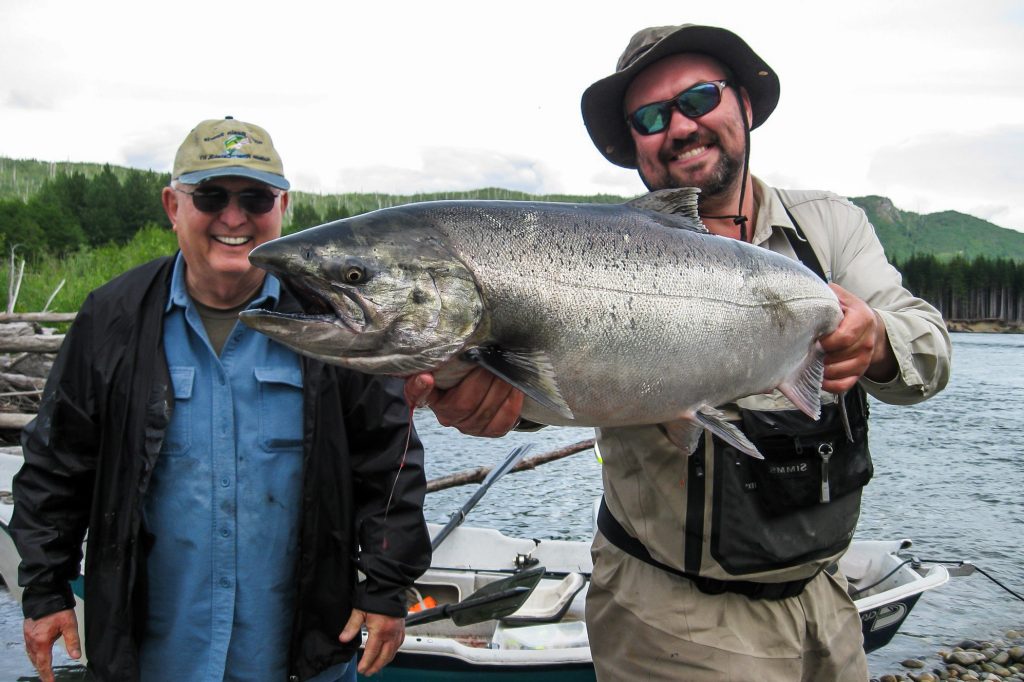
Best For: Ocean-Class Jack Chinook Salmon Stocked Locally
Chinook salmon, often known as king salmon, are among the most highly valued fish species in North America due to their size, rich flavor, and sporting challenge. Within this species, the “Jack Chinook Salmon” refers to younger males that return to freshwater earlier than fully mature adults. When stocked locally in suitable environments, ocean-class Jack Chinook Salmon can provide excellent opportunities for both recreational fishing and ecological management programs.
Understanding Jack Chinook Salmon
Jack Chinook Salmon are typically male fish that return to freshwater after spending a shorter time in the ocean compared to full-sized adults. Instead of spending three to five years at sea, jacks often return after just one year. As a result, they are smaller in size, usually ranging from 1 to 4 kilograms, but they still retain the strong fighting ability and distinctive characteristics of Chinook salmon.
Despite their smaller size, jacks play an important role in salmon population dynamics. They contribute to genetic diversity and ensure that early-returning traits remain part of the species’ life cycle. In hatchery and stocking programs, they are often included either intentionally or as part of natural variation in reared populations.
Benefits of Local Stocking Programs
Stocking ocean-class Jack Chinook Salmon locally offers several ecological and recreational advantages. One of the primary goals is to support declining wild populations in rivers and coastal ecosystems. Overfishing, habitat loss, and climate change have significantly impacted salmon numbers in many regions, making stocking programs essential for sustainability.
When introduced into carefully managed waterways, these salmon help restore balance in aquatic ecosystems. They also serve as a food source for predators such as birds, larger fish, and marine mammals, contributing to the natural food chain.
From a recreational perspective, Jack Chinook Salmon provide accessible sport fishing opportunities. Their smaller size makes them more abundant and easier for beginner anglers to catch, while still offering a challenging fight due to their strength and speed.
Ideal Environments for Stocking
Successful stocking of Jack Chinook Salmon depends heavily on environmental conditions. These fish require cold, oxygen-rich freshwater during their early life stages, followed by access to estuarine or ocean environments where they grow and mature.
Rivers with clean gravel beds are especially important for spawning, while nearby coastal waters or large lakes provide suitable feeding grounds. Local stocking programs typically focus on habitats that closely resemble natural salmon ecosystems to increase survival rates.
Water temperature, pollution levels, and food availability are also critical factors. Without proper environmental conditions, stocked salmon may struggle to survive or return successfully to spawning grounds.
Management and Conservation Efforts
Modern fisheries management uses scientific monitoring to ensure that stocking programs are effective and sustainable. Hatcheries carefully track growth rates, migration patterns, and survival statistics. In some cases, tagged fish are released to help researchers study movement and population behavior.
Conservation efforts also aim to balance stocked fish with wild populations. This helps prevent genetic dilution and ensures that natural breeding cycles remain intact. Responsible stocking programs are designed not to replace wild salmon, but to support and strengthen existing ecosystems.
Conclusion
Ocean-class Jack Chinook Salmon stocked locally represent an important intersection between conservation, recreation, and ecological https://bigfishmccall.com/ management. While smaller than fully mature Chinook salmon, they play a significant role in sustaining fish populations and supporting biodiversity. With proper habitat conditions and responsible management, local stocking programs can continue to provide both environmental benefits and rewarding fishing experiences for future generations.
Leave a Reply