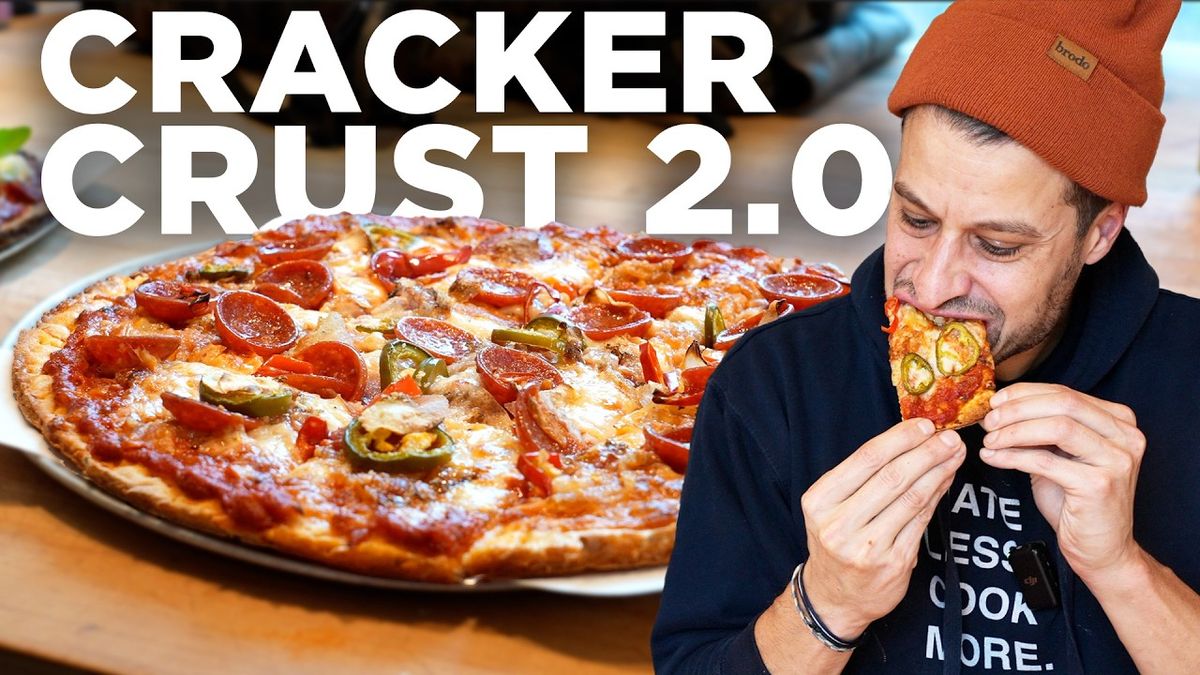
The Quest for Crunch: A Restaurant Pizza Guide to Finding the Perfect Crispy Crust
Let’s have a heart-to-heart about the structural integrity of your dinner. There is nothing—and I mean nothing—more heartbreaking than picking up a slice of pizza only to have bigmanpizza.com it flop over like a tired wet noodle. It’s a tragedy. It’s a betrayal of the dough. When you go out for an authentic restaurant pizza, you aren’t looking for a soggy bread-towel; you are looking for that audible, satisfying crunch that announces to the world that you have made excellent life choices.
The journey to the perfect crust is fraught with danger (mostly in the form of undercooked dough and questionable “cheese-like” substances), but fear not. I have braved the flour-dusted trenches to bring you this definitive guide.
The Physics of the New York Fold: Thin, Tan, and Terrific
To understand the best pizza slices, we must first pay homage to the streets of Manhattan. The New York style pizza is a marvel of engineering. It’s thin, it’s wide, and it’s coated in a layer of orange grease that I’m fairly certain could power a small locomotive.
The secret to this crispy thin crust is the deck oven and, according to local legend, the magical properties of New York City tap water. You want a slice that is firm enough to stay horizontal when you hold it, but flexible enough to fold in half so you can eat it while aggressively walking toward a subway entrance. If the bottom of the crust isn’t charred with beautiful little “coal kisses,” send it back. We want crunch, not a sponge.
The Neapolitan Singe: When 900 Degrees Isn’t Enough
If you’re looking for a more gourmet pizza experience, you head to the Neapolitan joints. These spots are basically shrines to fire. The ovens are often imported from Italy, looking like giant tiled igloos, and they burn hotter than a celebrity’s PR nightmare.
An authentic Italian pizza in this style is cooked in about 90 seconds. Because it happens so fast, you get “leopard spotting”—those little burnt bubbles of joy. While the center is traditionally soft (some call it soupy, I call it a delicious sauce-lake), the outer rim, or cornicione, should crackle when you bite it. It’s the kind of wood-fired pizza that makes you want to close your eyes and pretend you’re on a Vespa in Naples instead of a booth in a strip mall.
The Detroit Corner: The Holy Grail of “Frico”
Now, if you want a crust that actually fights back, you need to talk about Detroit-style. This isn’t just pizza; it’s a deep-dish revolution. The dough is pressed into a heavy blue steel pan, and the cheese is spread all the way to the edges.
As it bakes, the cheese melts down the sides and fries against the metal, creating a blackened, crispy perimeter known as “frico.” This is the signature craft pizza move that changed the game. It’s thick, it’s airy, and the bottom is essentially a giant, golden-brown crouton. If you don’t hear a sound like a dry twig snapping when you bite the corner, you’re just eating a loaf of bread, and we deserve better than that.
Final Pro-Tip: The “Tap Test”
How do you know you’ve found “The One”? Before you even take a bite of your restaurant pizza experience, give the crust a little tap with your fingernail. If it sounds like a hollow drum, you’ve struck gold. If your finger sinks in like it’s touching a marshmallow, prepare for disappointment.
Whether you are chasing a modern flavor pizza topped with hot honey and goat cheese or a classic Margherita, the foundation is everything. Life is too short for floppy pizza. Go forth, find the crunch, and remember: calories don’t count if the pizza is loud enough to drown out the sound of your conscience.
Leave a Reply